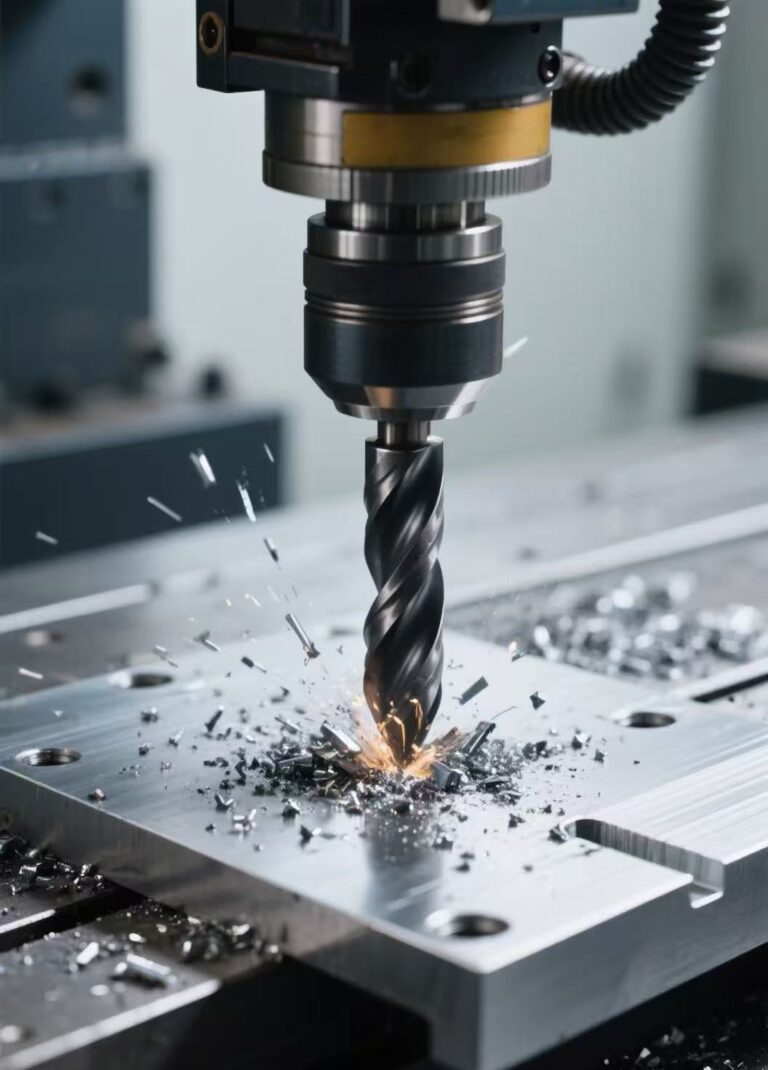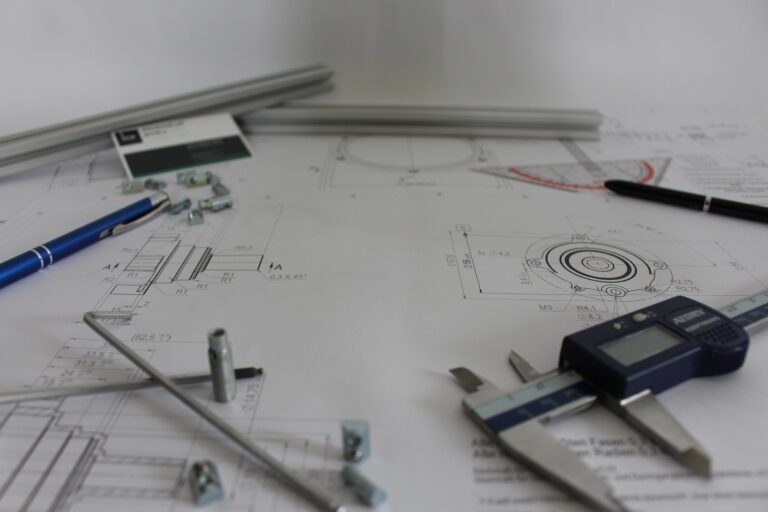

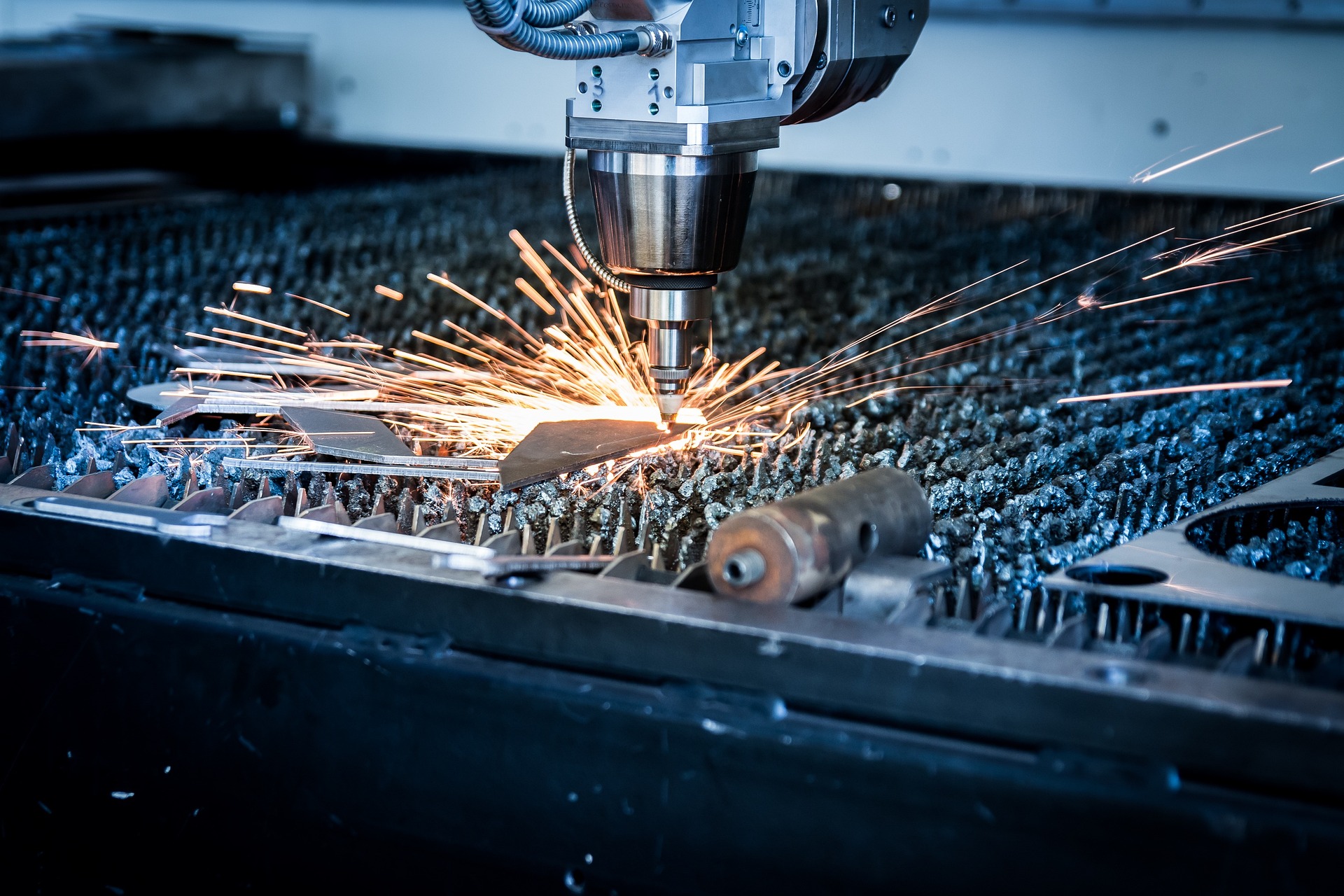
From laser cutting to bending and welding, sheet metal fabrication requires careful design planning. This guide covers essential principles — bend radius, tolerances, material selection, and DFM best practices — to help you achieve cost-effective, high-quality sheet metal parts with Sundar Industries.
Sheet metal fabrication is a foundational manufacturing process used across automotive, aerospace, electronics, medical devices, and industrial equipment sectors. The process involves cutting, bending, and assembling metal sheets — typically less than 6mm thick — into functional components such as enclosures, brackets, chassis, and frames. At Sundar Industries, we combine advanced laser cutting, CNC bending, welding, and finishing capabilities to deliver custom sheet metal parts that meet your exact specifications.
Tristique nulla aliquet enim tortor at. Feugiat vivamus at augue eget. Massa sed elementum tempus egestas sed. Proin sed libero enim sed faucibus turpis in. Vulputate odio ut enim blandit volutpat maecenas volutpat blandit aliquam. Est ultricies integer quis auctor. Ultrices tincidunt arcu non sodales neque sodales ut etiam sit. Cursus mattis molestie a iaculis. Cras ornare arcu dui vivamus. Sit amet luctus venenatis lectus magna fringilla urna porttitor. Massa tincidunt nunc pulvinar sapien et ligula. Amet volutpat consequat mauris nunc congue nisi vitae suscipit. Vel risus commodo viverra maecenas. Semper quis lectus nulla at volutpat diam ut venenatis. Elementum sagittis vitae et leo duis ut diam quam nulla. Turpis egestas maecenas pharetra convallis posuere morbi leo urna molestie. Nibh tellus molestie nunc non. Vestibulum morbi blandit cursus risus at ultrices.
Design Principles for Sheet Metal Success
Effective sheet metal design balances functionality with manufacturability. Following established principles helps reduce costs, shorten lead times, and ensure consistent quality.
Bend Radius and Tolerances
The inside bend radius should be at least equal to the material thickness to prevent cracking and material failure. Sharp bends can compromise structural integrity and complicate the manufacturing process. Our standard bending tolerance is ±2°, with tighter tolerances available for critical features.
The 4T Rule
A widely adopted guideline in sheet metal design is the 4T rule: features such as holes, notches, and bends should be placed at least four times the material thickness away from each other and from the edge of the sheet. This practice prevents distortion, weakening, and material tearing at critical points. As a rule of thumb, the diameter of any hole should be at least equal to the material thickness.
Bend Reliefs and Orientation
Adding reliefs at corners prevents tearing and ensures clean, crisp bends. We also recommend orienting all bends in the same direction whenever possible — this minimizes tool changes during production, improving efficiency and reducing cost.
Why Manufacturers Choose Sundar Industries for Sheet Metal
Our sheet metal fabrication service is backed by modern equipment and experienced engineers who understand the nuances of the process. We provide free DFM feedback on every CAD submission, identifying potential issues such as insufficient bend reliefs, overly tight tolerances, or material selection concerns before production begins.
We offer a complete range of services — from laser cutting and CNC bending to welding, hardware insertion, and surface finishing such as powder coating and anodizing. By consolidating your sheet metal project with Sundar Industries, you gain a single point of contact, consistent quality, and reliable lead times.